Carbohydrates
Whole grains, legumes, fruit, and starchy vegetables supply energy for daily activity. We discuss how to distribute carbohydrate-rich foods across meals so energy levels remain steady without rigid counting methods.
Educational content only: Information on this page is for general learning purposes. It is not personalised medical or dietary advice. Speak with a registered dietitian or doctor before changing your diet for health reasons.
The nutrition page at Jointflexfresh distils widely accepted dietary principles into accessible language. Everything here is general information — not personalised medical guidance, clinical prescriptions, or product recommendations. Use it as a starting point for conversations with our consultants or your own research.
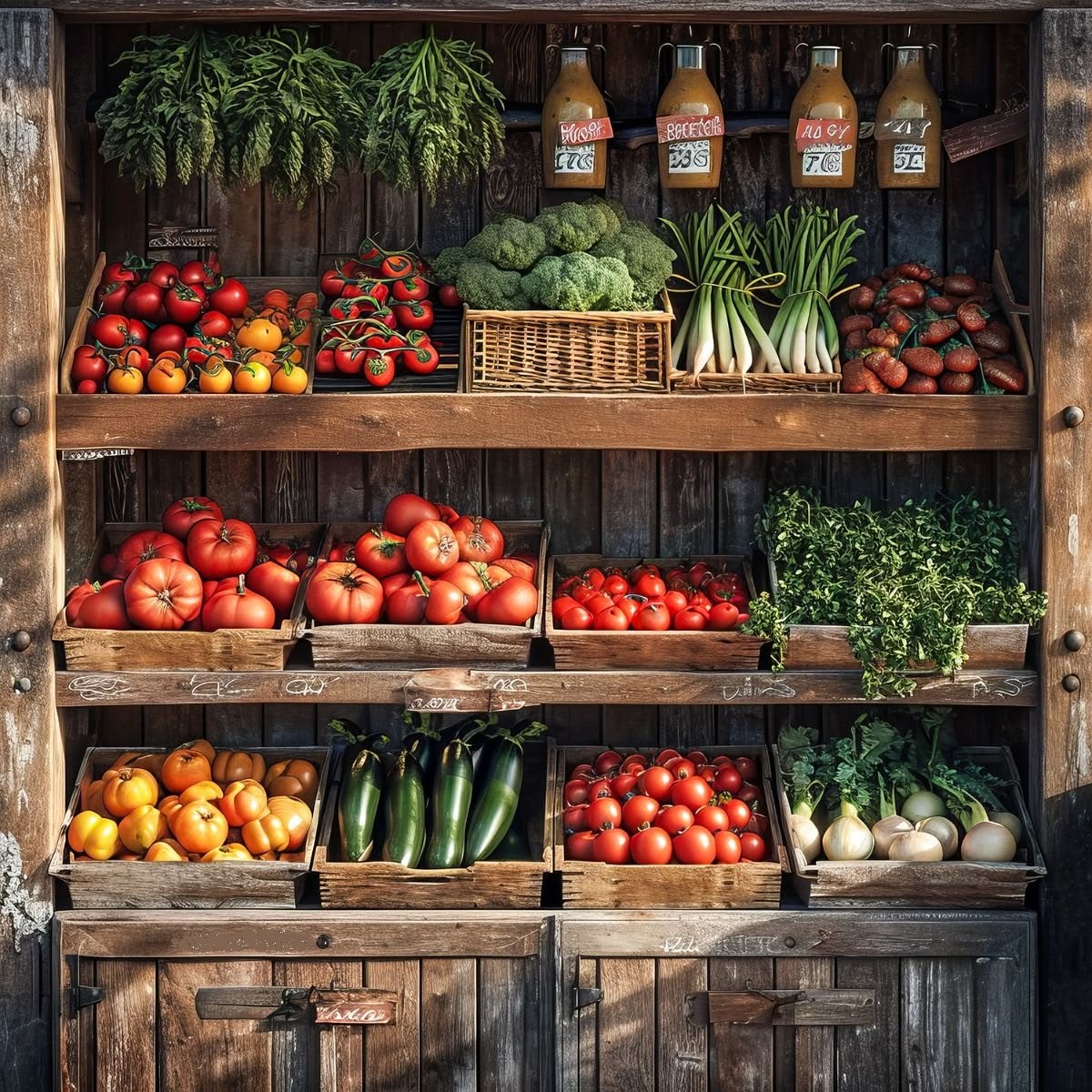
Aligning your shopping list with what is locally in season often means fresher produce, lower transport footprints, and more variety across the year. Our consultations include seasonal reference guides tailored to Auckland markets and supermarkets.
Spring might emphasise asparagus and new potatoes; autumn brings kūmara and feijoas. These are suggestions for exploration, not requirements. Your preferences and access always take priority.
Whole grains, legumes, fruit, and starchy vegetables supply energy for daily activity. We discuss how to distribute carbohydrate-rich foods across meals so energy levels remain steady without rigid counting methods.
Animal and plant sources each offer distinct amino acid profiles. Sessions cover portion sizes using palm-sized visual references and explore options from eggs, fish, tofu, lentils, and dairy suited to varied dietary patterns.
Unsaturated fats from olive oil, avocados, nuts, and oily fish play a role in meal satisfaction and nutrient absorption. We address common misconceptions and show how to incorporate fats without excess.
Vegetables, whole grains, seeds, and legumes contribute dietary fibre that supports digestive comfort. Gradual increases are recommended to allow your system time to adjust comfortably.
A balanced breakfast might combine protein, complex carbohydrates, and fruit. Examples include oatmeal with seeds, eggs on wholegrain toast, or yoghurt with seasonal berries. Skipping breakfast is a personal choice — we explore what works for your energy patterns.
Lunch often becomes an afterthought during busy workdays. We introduce portable options — grain bowls, wraps with ample vegetables, leftover dinners repackaged — that require minimal morning preparation. The goal is consistency, not perfection.
Dinner is an opportunity to reunite household members and experiment with new recipes. We share template frameworks: choose a protein, two vegetable sides, and a whole grain. Seasoning and cooking methods can transform simple ingredients into satisfying meals without elaborate technique.
Thoughtful snacks bridge longer gaps between meals. Pairing protein with fibre — apple slices with nut butter, hummus with carrot sticks — tends to sustain energy more effectively than highly processed alternatives.
Water supports every cellular function, yet hydration habits are frequently overlooked in nutrition discussions. We examine practical strategies rather than rigid litre targets.
Starting the day with a glass of water establishes a baseline before coffee or tea, which have mild diuretic effects.
Visibility prompts intake. Marking hourly goals on the bottle can help build awareness without obsessive tracking.
Cucumber, watermelon, citrus, and soups contribute to overall fluid intake alongside beverages.
Printable templates for weekly planning, grocery lists, and reflection prompts. Designed for home use without digital dependency.
Portion guides, seasonal produce calendars, and macronutrient overview infographics suitable for kitchen display.
Short video segments covering label reading, batch cooking basics, and mindful eating introductions for self-paced review.
Log what you eat without judgement. Identify patterns, timing preferences, and foods you genuinely enjoy versus those eaten out of convenience.
Introduce one new vegetable and one new whole grain. Explore preparation methods until you find versions you look forward to eating.
Dedicate one session to batch cooking a versatile base — roasted vegetables, cooked grains, or a protein portion — for assembly throughout the week.
Review what shifted naturally and what felt forced. Draft a personal maintenance plan with two ongoing practices and one area to revisit later.
Book a consultation to apply these concepts to your specific routine. Our team will guide you through practical steps at a pace that suits your life.